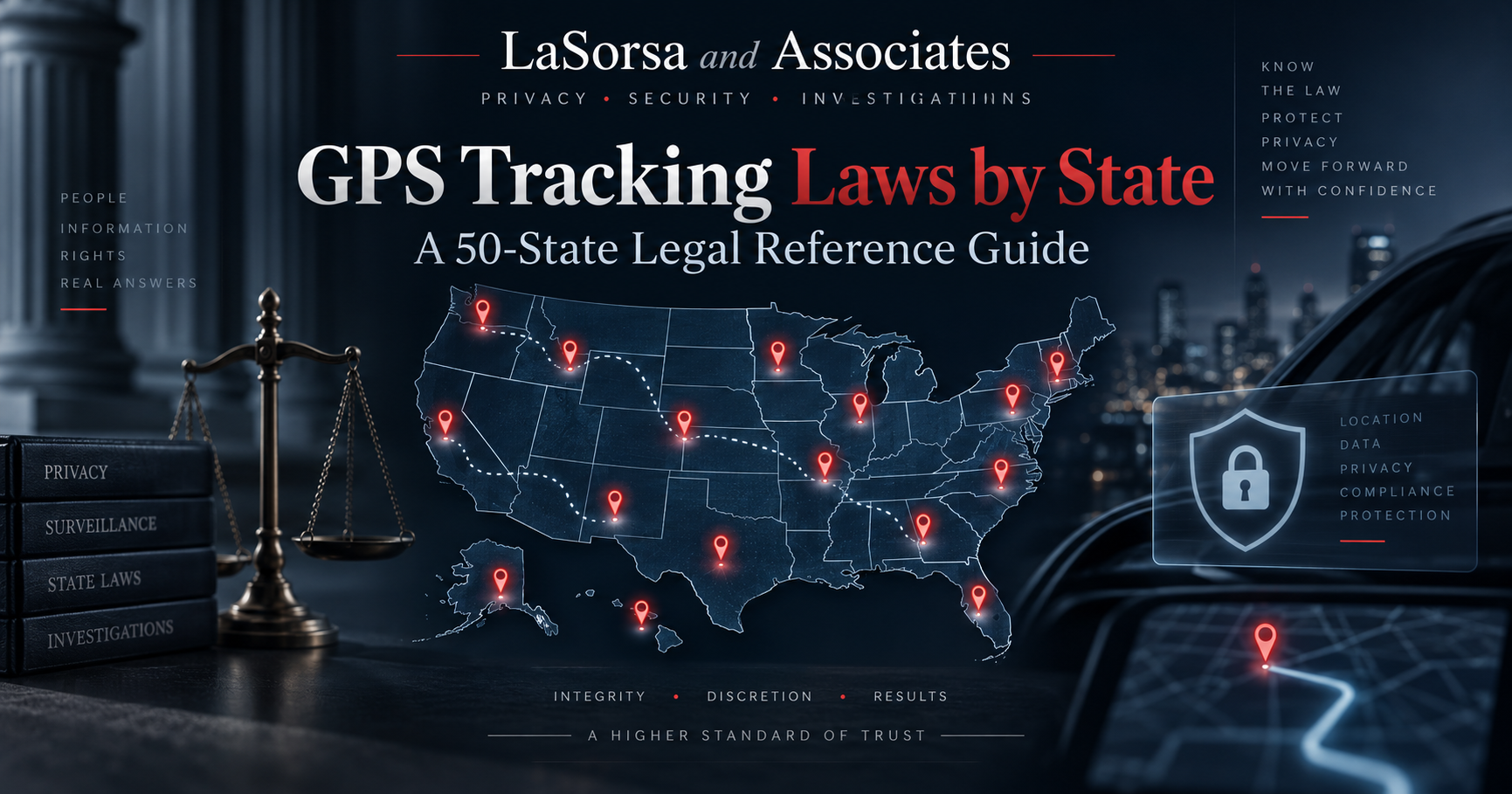
GPS trackers, Bluetooth tracking devices, mobile applications, and vehicle telematics can reveal the location and movements of people, vehicles, and personal property. These technologies have legitimate applications, but their use can also create criminal liability, civil exposure, and significant privacy concerns. This guide addresses private GPS and electronic location tracking by individuals, businesses, employers, investigators, […]
Browser Security and Privacy Tips
One Browser for Convenience, One for Privacy Most people want more privacy online, but switching entirely to a heavily restricted browser can create problems. Logins may fail, payment pages may not load correctly, embedded content may disappear, and commonly used features may stop working.
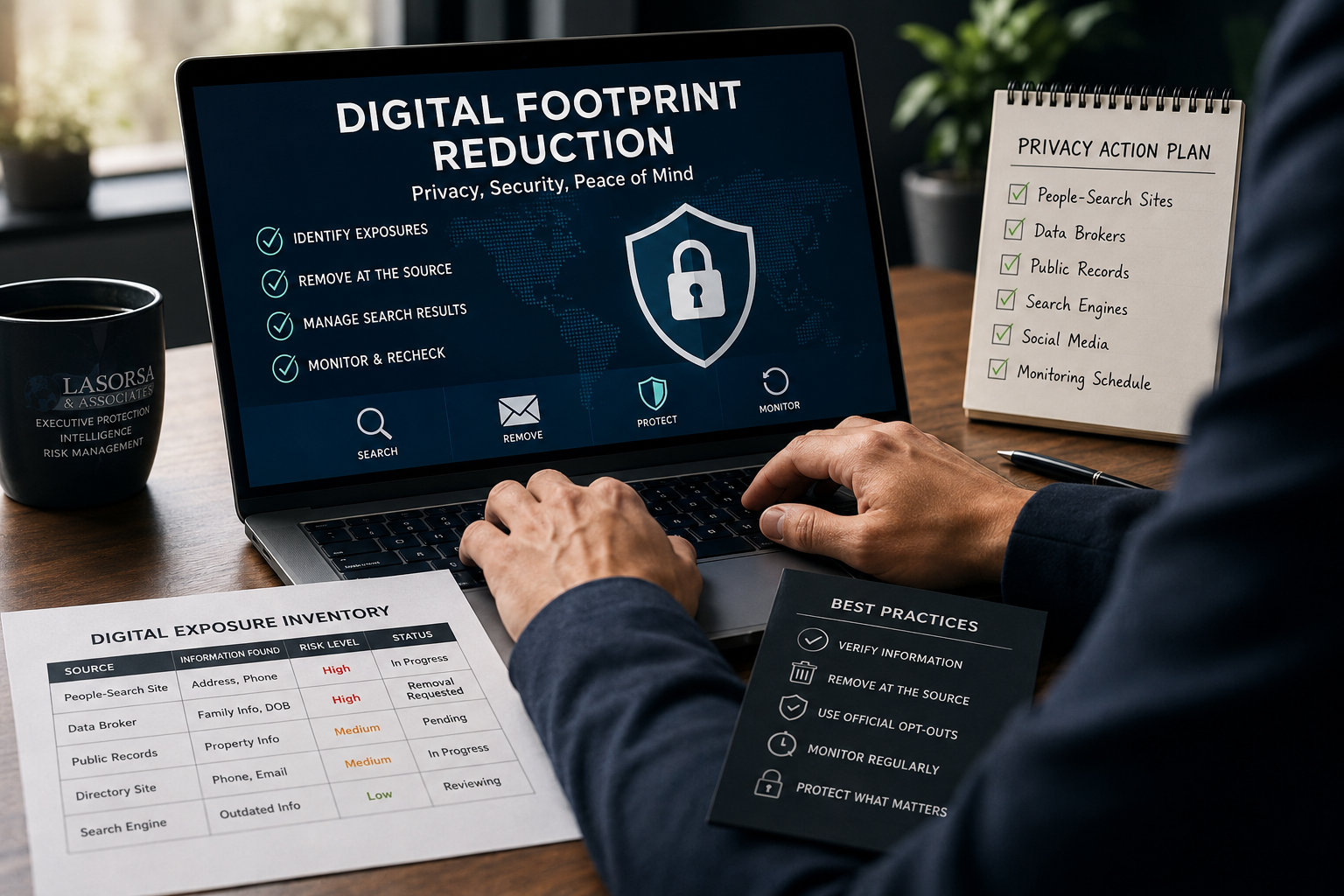
How to Reduce Your Digital Footprint
How to Reduce Your Digital Footprint: A Practical, AI-Assisted Guide to Removing Personal Information Online A growing number of videos on social media claim that you can give ChatGPT your name, ask it to find your personal information, and then instruct it to “remove everything from the internet.”
Securing Linux: A Practical Privacy and Security Guide
Linux is often considered a secure operating system, but no platform is secure by default. A well-protected Linux workstation depends on proper configuration, regular maintenance, strong authentication, and limiting unnecessary exposure. Whether you use Ubuntu, Linux Mint, Fedora, Debian, Arch, openSUSE, or another mainstream distribution, the following practices provide a strong security baseline.