One Browser for Convenience, One for Privacy Most people want more privacy online, but switching entirely to a heavily restricted browser can create problems. Logins may fail, payment pages may not load correctly, embedded content may disappear, and commonly used features may stop working.
How to Reduce Your Digital Footprint
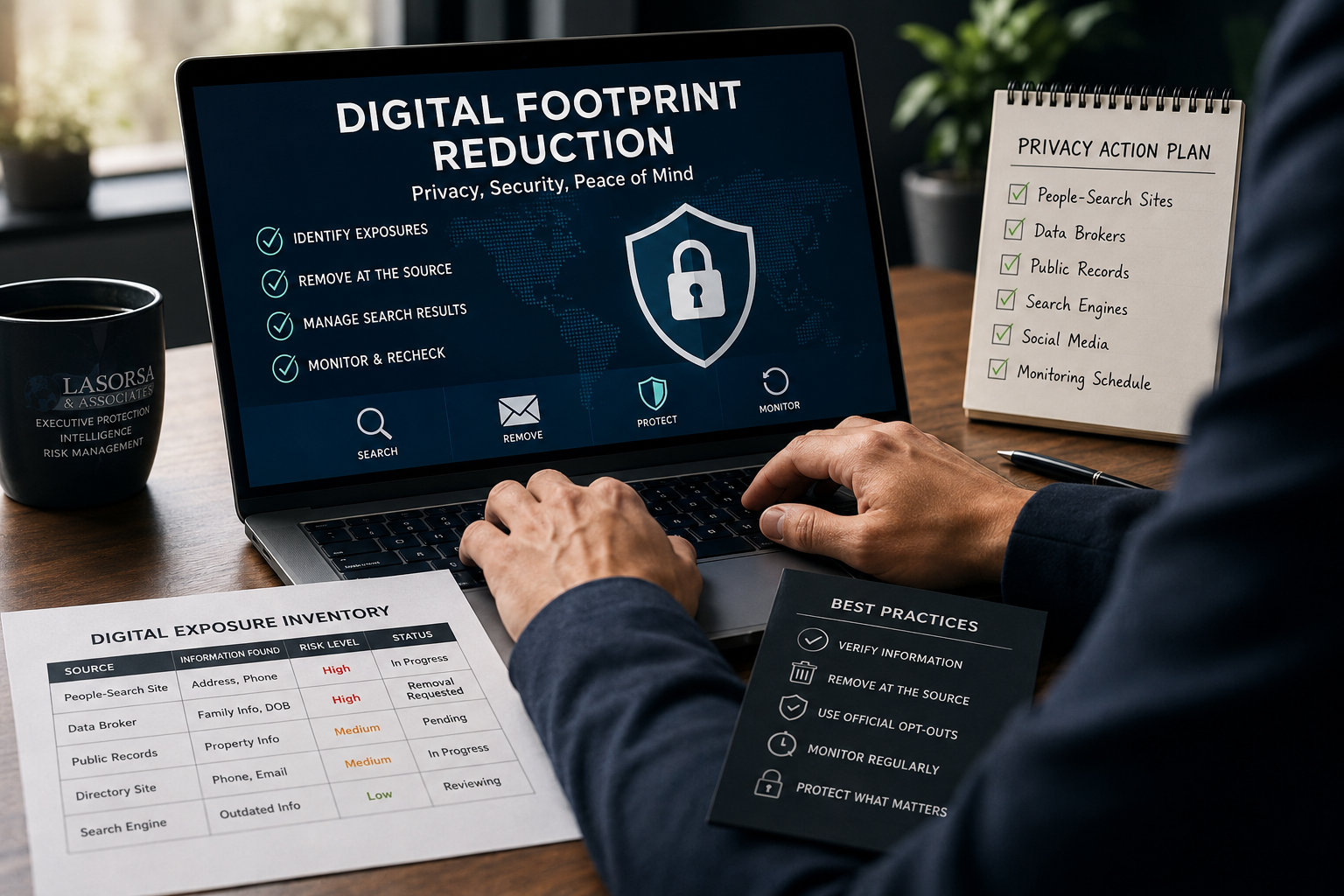
How to Reduce Your Digital Footprint: A Practical, AI-Assisted Guide to Removing Personal Information Online A growing number of videos on social media claim that you can give ChatGPT your name, ask it to find your personal information, and then instruct it to “remove everything from the internet.”
Securing Linux: A Practical Privacy and Security Guide
Linux is often considered a secure operating system, but no platform is secure by default. A well-protected Linux workstation depends on proper configuration, regular maintenance, strong authentication, and limiting unnecessary exposure. Whether you use Ubuntu, Linux Mint, Fedora, Debian, Arch, openSUSE, or another mainstream distribution, the following practices provide a strong security baseline.
Windows PC Privacy & Security Guide
A Windows 11 system contains personal data, credentials, communications, browsing history, and sensitive work product. If you depend on your PC for professional, travel, or executive-level operations, default Windows settings are insufficient for strong privacy. This guide provides step-by-step setting pathways and operational recommendations to reduce telemetry, limit data exposure, and harden the machine against […]
Mac Privacy and Security Guide
Your Mac isn’t just a work-tool—it holds your identity, communications, credentials, network access and more. In environments where privacy and protection matter, you need more than default settings. This guide reflects a protection-minded posture: mapping setting pathways and explaining why each matters. Some steps reduce convenience; you must choose what aligns with your threat model and operational needs.
Signal App – Enhanced Security and Privacy Settings
Optimizing Your Privacy and Security on Signal: A Practical Guide Signal is widely regarded as one of the most secure messaging apps available today, offering end-to-end encryption, minimal data retention, and strong privacy protections. However, to get the maximum benefit, users should take a few minutes to configure the app’s privacy and security settings. The […]
Private Phones Don’t Exist. Private Habits Do.
“Secure” and “private” phones are tools, not guarantees. Whether you choose a hardened Android like GrapheneOS, a Linux phone such as the Librem 5, or a boutique “privacy phone,” your protection ultimately comes from how you operate the device every day. Phones are multi-radio computers tied to carriers, app ecosystems, and global networks.
How to Detect and Remove Covert Spy Apps on iPhone and Android
Covert phone surveillance apps – also known as stalkerware or spyware – are a growing digital threat. These hidden apps are installed on smartphones to secretly monitor the victim’s activities, communications, and location. Such software is often marketed as parental control or employee monitoring tools, but in reality they are frequently used by abusive partners […]
Comprehensive iPhone Privacy Guide
Optimizing your iPhone’s security and privacy protects personal data, financial information, and online identity. The checklist below provides clear steps and habits to maximize protection across your device and accounts.