Fitness for protective services is largely dependent on the client’s lifestyle, however it is most heavily influenced by your duty to maintain your ability to react quickly and effectively to threats or to evacuate. Below are some pointers from industry practitioners who know a thing or two on staying fit while on the job.
Mobile Device Security and Privacy: Best Practices for Minimizing Exposures
The majority of attacks on mobile devices focused on human exploitation, as found in the Proofpoint Human Factor Report. Basically, various messages, mainly emails, were sent with malicious attachments or links that relied on human actions or responses to initiate the breach, rather than technically infiltrating a system directly. This being the case, increasing your knowledge and awareness is going to be the best preventative action you can take to safeguarding your information.
Task, Threat, & Environment: The Mindset of a Protective Services Professional
For a number of reasons, the most difficult thing to instill in a student during training is the proper mindset. Every student has bias from his or her experiences and the appropriate mindset for any professional must be ingrained through operational experience, not simply embedded through osmosis from instruction alone. In this article I’ll explain the mindset that I have developed which is largely responsible for the effectiveness and success in the way I work a detail.
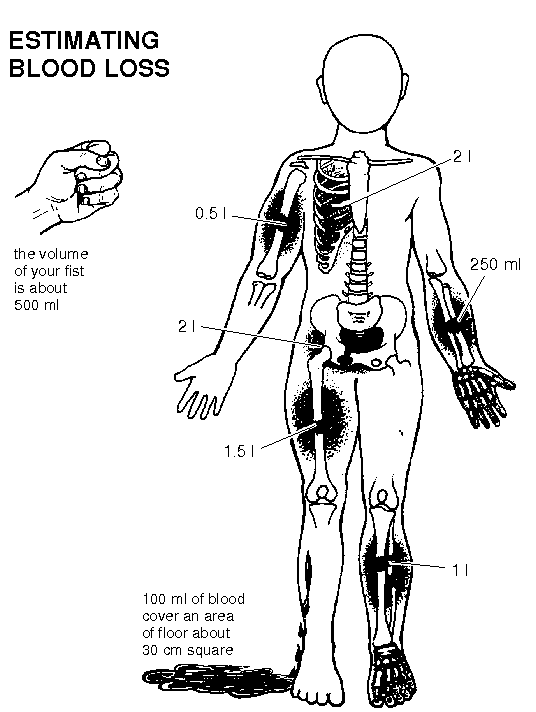
Estimating Blood Loss – A Critical Skill in Triage
Estimating blood loss in the pre-hospital or “point-of-wounding” setting is difficult to say the least. The accuracy of estimating a specific volume is so far off base that most EMS professionals don’t estimate the actual volume at all. A good rule of thumb is to use the “Fist/500” rule if required to do so.
–
–
Topic covered in our Protective Medical Response Training Course
Training Schedule & Registration Page