
Enjoy “Preventive Investigations: An Intelligent Solution” on protective intelligence; the cover story of the January 2017 issue of Security Management Magazine
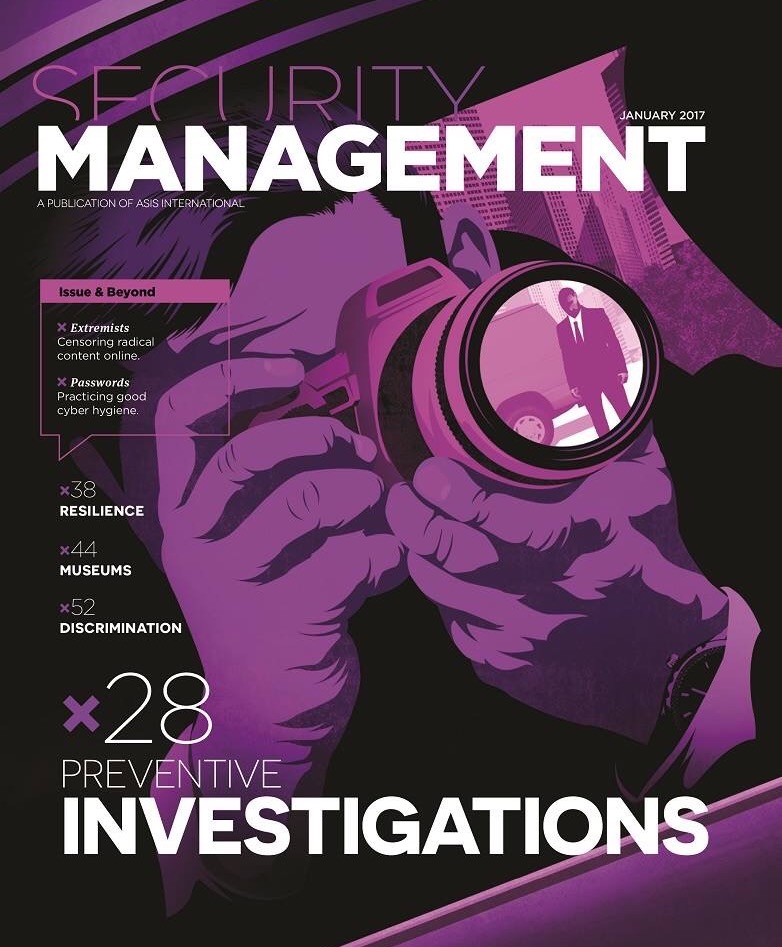
Enjoy “Preventive Investigations: An Intelligent Solution” on protective intelligence; the cover story of the January 2017 issue of Security Management Magazine
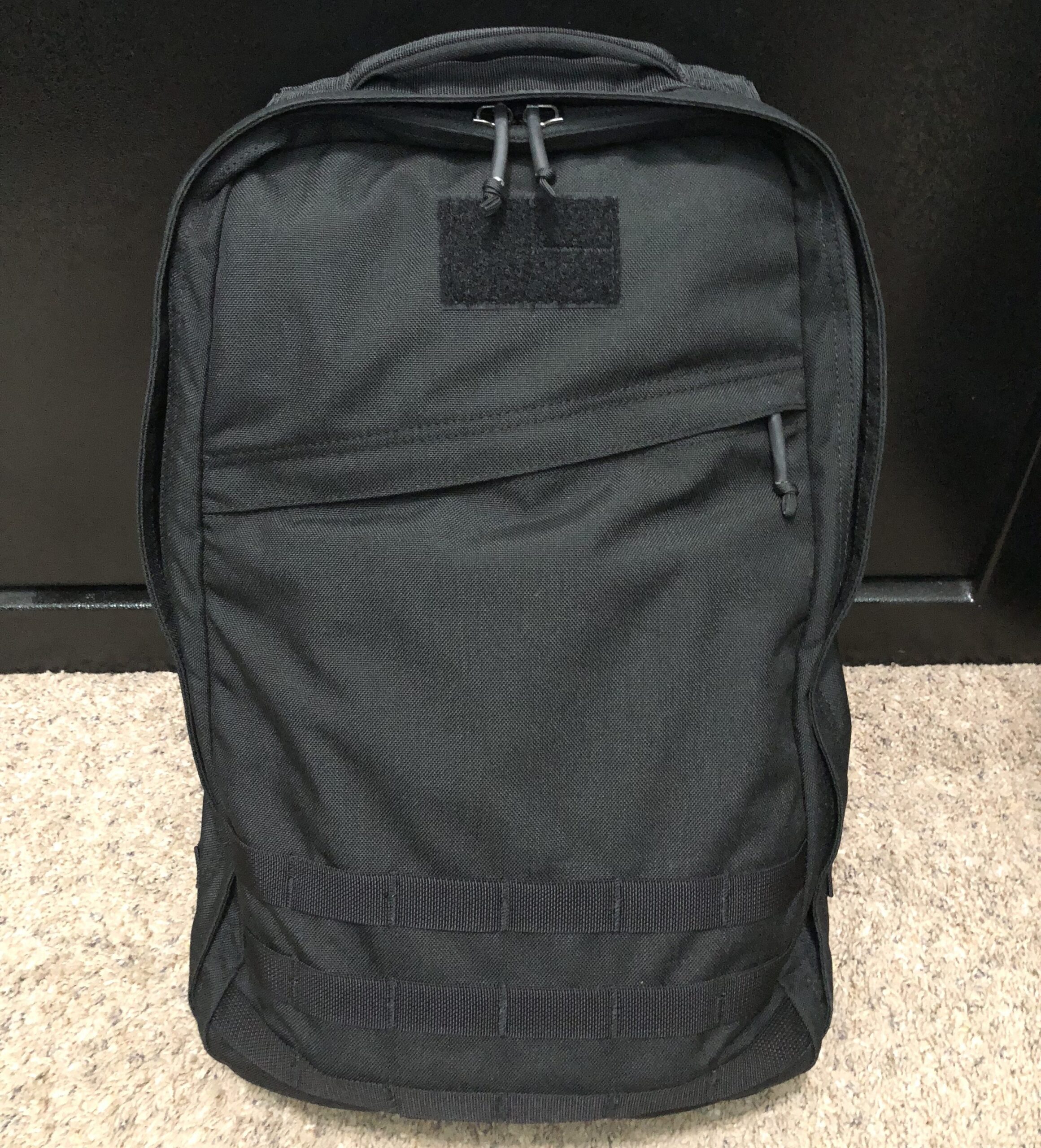
As is common with us all, we love our gear and we can’t get enough. A common discussion in our Facebook group, The Protective Security Group, is travel gear and equipment. While not meant to be a comprehensive or ‘cookie-cutter’ list, below I share a typical packing of my ‘go-bag’ which I hope you all find […]

If any industry is defined by societal perception, it is the protection profession. Anyone who has no direct experience has the idea that the profession is nothing but shooting an AR through your front windshield at numerous threats, MMA style fighting in nightclubs or doing a J-turn because a light turned red and there are paparazzi […]

In a previous article ‘2-Way Radios & Communicating in Protective Services‘ we discussed radio options and other communicating techniques. One of the primary issues most security practitioners face when communicating with 2-way radios is the lack of secure communication. This article is meant to discuss the reasonable options available to us which afford much more […]

As the less fashion-inclined gender, we have an uphill hike when it comes to adhering to and succeeding at professional dress codes. For many, reading a dress code term is quickly followed by a Google search and maybe a last minute trip to Joe Banks. Hopefully, this ‘beginner’s guide’ will shed some light on how […]

Event security is an increasingly important aspect of events around the world. Whether your event is a small party, hosted by your principal at their residence or perhaps a rented venue, accurate assessments are vital to applying the most logical, appropriate and effective solution in order to reduce risk, increase security, safety and participation of the patrons for […]
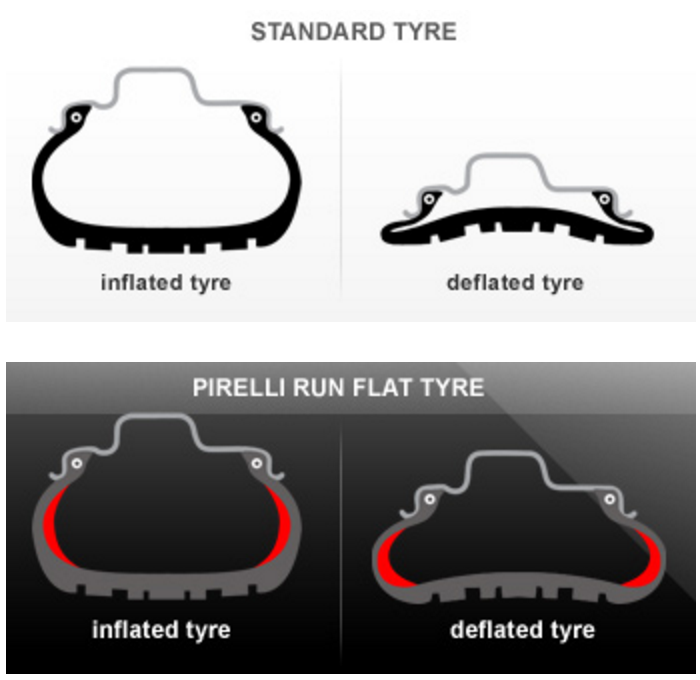
What is a run flat tire? A run-flat tire is either a pneumatic vehicle tire specifically designed to resist the negative effects of deflation when punctured or the term may also refer to a standard wheel and tire that has a run-flat device affixed, see ‘auxiliary-supported’ below. This enables the vehicle to continue to be driven (at reduced […]
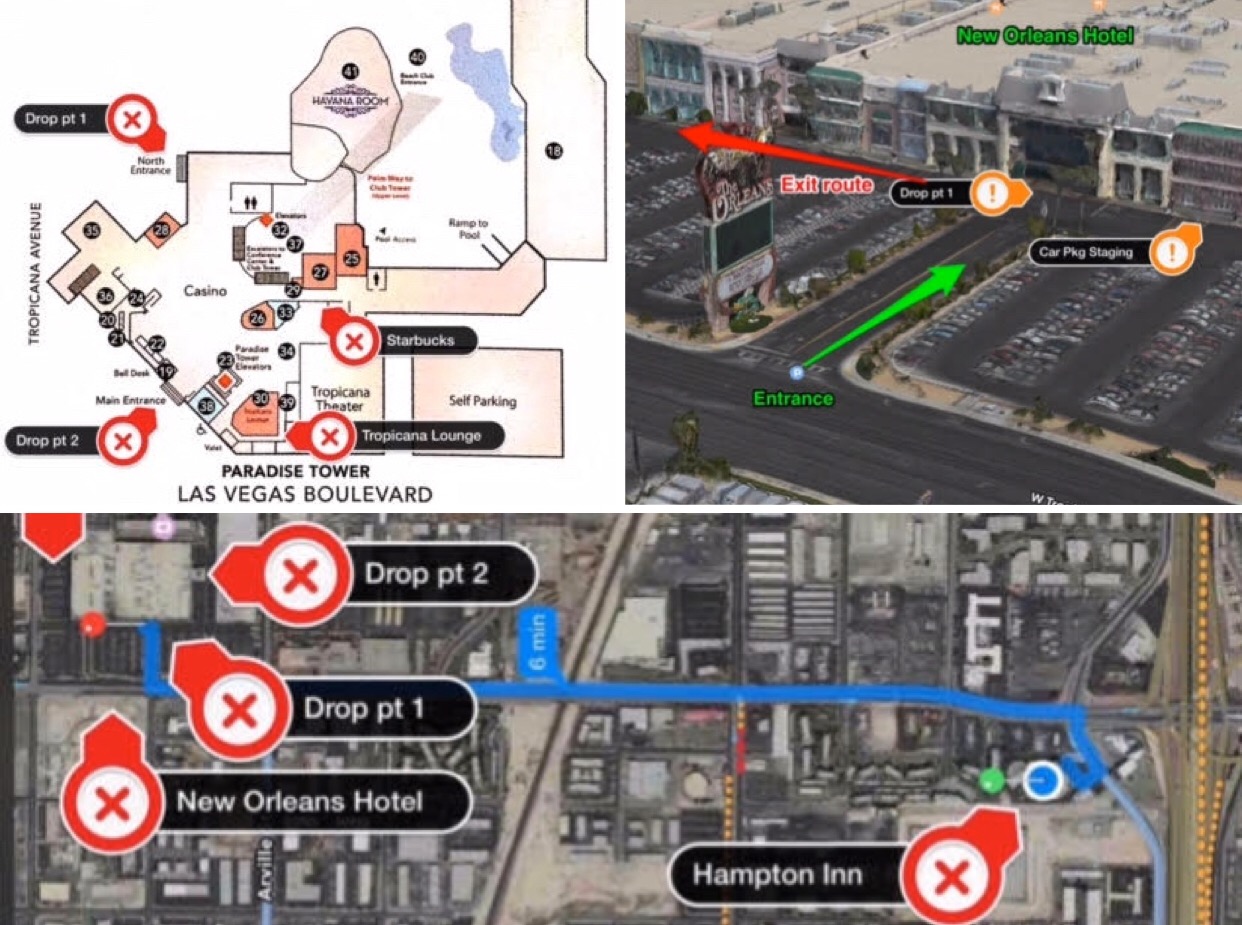
Communication is commonly the largest contributor to the friction within any team, and it is no different in protective services. Being able to communicate effectively is a critical skill which is infinitely more valuable than putting a few in the X ring at the range. This article will discuss tasking statements & mission planning In […]
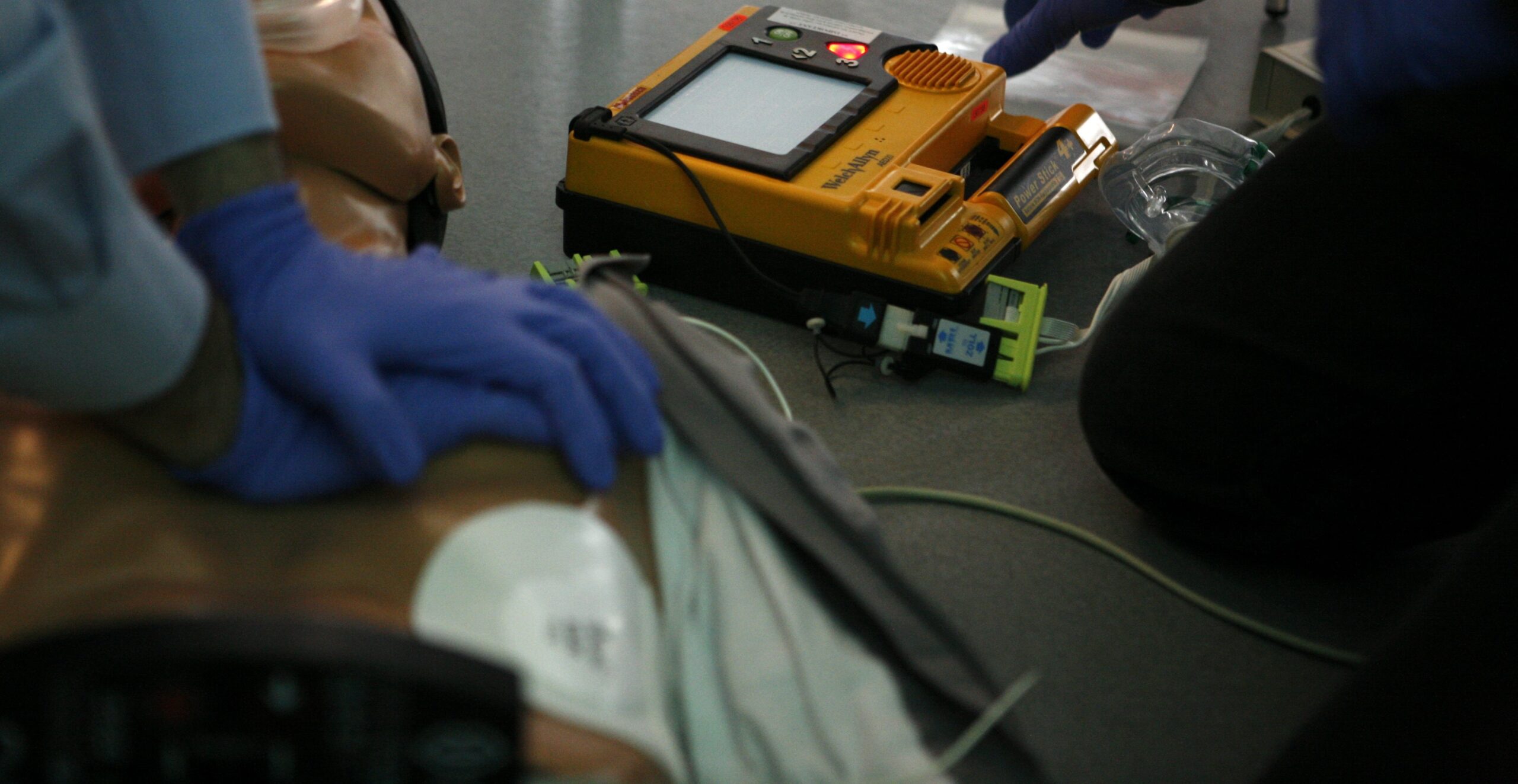
As part of the big picture when providing protective services, the security, safety and reputation protection of the client are our main objectives. In this regard, the ability to provide medical response is a vital aspect as we will certainly be the ‘first responders’ at the point of wounding. Although this means we have already […]
